
Our world faces escalating geopolitical tensions, conflicts, ars, terrorism, ethnic strife, civil unrest, and global challenges such as economic inequality climate change, poverty, and health crises. These realities demand a clarior call and immediate collective action, The international community must act together, cooperate, and participate fully to address these problems, safeguard global stability and security and enable sustained progress anc development.
China responded by launching the Global Governance Initiative (GGI) at the Shanghai Cooperation Organizatior (SCO) Plus meeting. aiming strengthen and mmprove the current global governance mechanism. This initiative emphasizes extensive consultation, joint contributions, and shared benefits to build a more equitable governance system worldwide China acknowledges the many key actors in global governance, including the United Nations, the World Health Organization, and he Internationa Monetary Fund, among others
China has proposed ways to make the United Nations more effective and efficient.
The UN remains a vital pillar of global governance because it was established to promote international peace and security, protect human rights, deliver humanitarian aid, anc support sustainable development and climate action. Yet, recent years, hreats to humanity and the globa community have increased, creating ar urgent need to introduce new ideas, strategies, and practical methods to strengthen the UN’s effectiveness.
China has advanced this vision through its Global Governance Initiative (GGI). It argues that the principle of sovereign equality among nations is non-negotiable, principle fullv articulated in Article 2(1) of the UN Charter, which affirms that the organization rests on the sovereign equality of all its members. The GGI underscores that sovereignty and dignity are inalienable rights of nations and that every country must remain free from interference while exercising its right to determine its own development path, social system, and lecision-making processes.
Secondly, the GGI calls on nations to abide by the international rule of law, as enshrined in Article 1(1) of the United Nations Charter, which requires states to act in conformity with the principles of justice and international law. The GGI argues for and champions the need to build broad consensus in formulating international rules, insisting that the law must apply uniformly and equally, without bias, preference, double standards, or external imposition.
Thirdly, the GGI advocates for multilateralism, the very concept tha inspired the creation of the nited Nations when nations united to pursue the common goal of a peaceful, sustainable, _ and _ prosperous world. Article 1:2 of the UN Charter affirms this principle by stating that nations should develop friendly relations to strengthen universal peace. The GGI calls on al nember states to engage in extensive consultation and joint contribution when addressing global issues, thereby designing a governance system that delivers mutual benefits.
Similarly, the GGI promotes a people-centered approach that emphasizes concrete actions in globa governance. Article 1: 3 of the United Nations charter stipulates the respec or human rights and the fundamenta freedoms for all without distinctions to race, sec, language or religion. GI regards people as the foundation of governance and urges nations to prioritize their citizens’ needs, improve quality of life, initiate reforms that foster shared development, and consistently champion human well-being at all times.
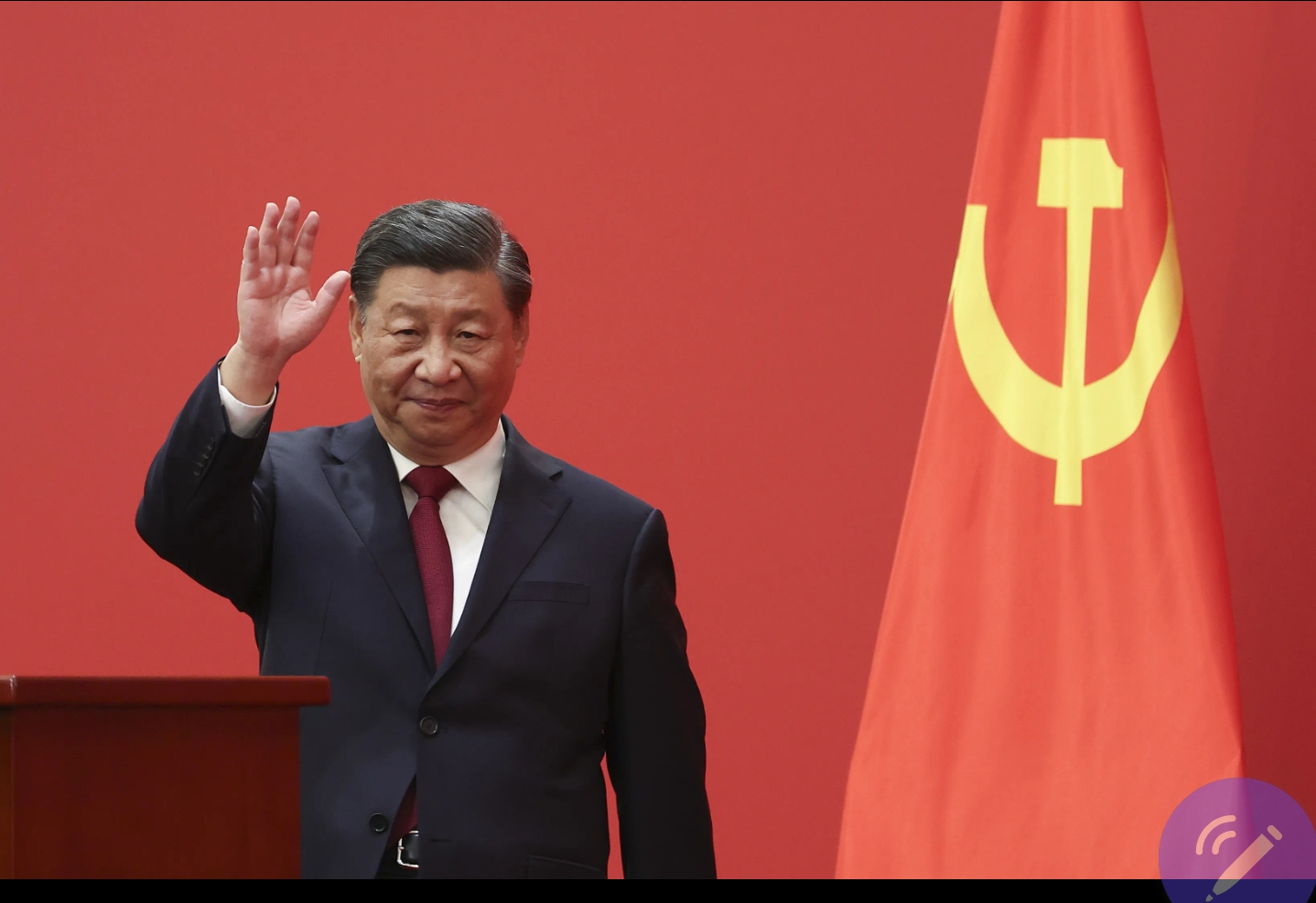
President xi highlighted five actior plans as core strategies for improving and reforming the United Nations’ role in global governance. He emphasizes hat the central goal is to strengthen the capacity of international systems and institutions to take decisive action, idapt to change, work efficiently, and respond swiftly to the multiple limensions of today’s global challenges.
He argues that the reforms he advocates aim to ensure these global institutions serve the interests of all countries, particularly developing nations.
President Xi also urges for high-leve cooperation across the globe to address shared challenges. Economically, he calls on nations to embrace open cooperation through the Belt and Roac Initiative and deepen economic integration to achieve universally beneficial and inclusive globalization., cientifically, he encourages countries to adopt artificial intelligence in theil operations and explore opportunities such as the international lunar research station project.
Psychologically, he urges nations to embrace new ideas, remair open, and join China in advancing the principles of extensive consultation, joint contribution, policy communication, coordination, and consensus building as pathways to improving global governance.
Many countries such as Maldives, Egypt Kyrgyzstan, Malaysia, Myanmar, Mongolia, Russia, Uzbek, Kazakh, Indonesia, Pakistan, Turkey, Belarusian Nepal, Turkmenistan, Tajikistan, Azerbaijani, Armenian, Iran, Vietnam [ndia, Cambodia and Nigeria have all endorsed, supported and agreed with China’s proposal for the reform of the United Nations and its mechanism for a new Global Governance Initiative.
Nigeria the Giant of Africa has called the GGI a valuable platform to advance shared priorities of the world, it offers inclusive governance in emerging areas such as cyberspace, outer space, irtificial intelligence while promoting equitable development. Nigeria has pledged its support to work globally with countries to achieve a sustainable and equitable global order througr consensus, mutual respect and shared responsibilities.
China’s GGI stands as a laudable ‘nitiative because it reminds the world that all nations are equal, and that their sovereignty and dignity remain non-negotiable, free from externa nterference. Secondly, it elevates the notion of cooperation by championing leep and extensive collaboration across all sectors of life to address global challenges and build collective capacity It reinforces a people-centric ideology on the global stage, an approach that, if adopted by nations, would inspire reforms, innovations, and policies rooted in the real needs of people.
Lastly it calls for equality under the law and fair representation of Global South countries, who for years have beer marginalized and sidelined in international affairs.
Adetoro Olanivi Banwo Senior Lecturer, University of Lagos. Nigeria


